Mastering the 100 Days of School Bow Design: A Comprehensive Guide for Educators and Creators
The milestone of reaching the one-hundredth day of school is a significant event in the academic calendar. It represents not just a passage of time, but a collective achievement for students, teachers, and families. As this date approaches, the demand for creative, high-quality visual assets to celebrate the occasion surges among educators, small business owners, and craft enthusiasts. Among these assets, the 100 Days of School Bow Design has emerged as a versatile and beloved motif. This article explores the intricacies of utilizing this design, its applications across various mediums, and the technical specifications that make it an indispensable tool for back-to-school projects.
The Symbolism Behind the Bow Motif
Why choose a bow? In the context of elementary education, bows are often associated with celebration, gifts, and accomplishment. They serve as a visual metaphor for the "gift" of knowledge and the joy of learning. When combined with specific educational symbols, the design transcends simple decoration to become a narrative element.
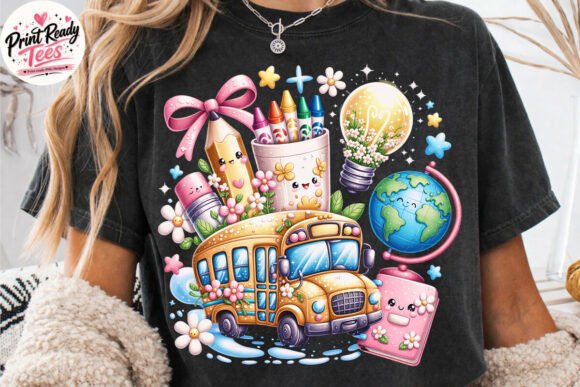
A well-crafted 100 Days of School Bow Design typically incorporates several key iconographic elements:
- Books: Representing literacy, learning, and the foundation of education.
- Rainbows: Symbolizing hope, diversity, and the colorful nature of childhood creativity.
- Globes: Signifying global awareness, geography, and the expanding horizons of young minds.
By integrating these symbols into a cohesive bow shape, designers create an image that is instantly recognizable yet rich with meaning. This allows the design to resonate on multiple levels, appealing to both the aesthetic sensibilities of children and the professional needs of educators.
Technical Specifications and File Formats
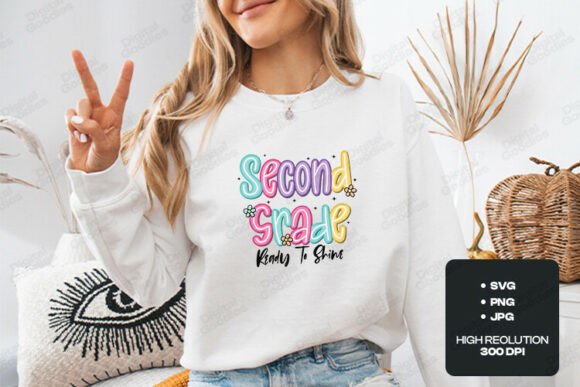
For digital creators and print-on-demand entrepreneurs, the format of the graphic file is just as important as the artistic design itself. The availability of multiple file types ensures compatibility across different software platforms and printing technologies. Understanding the distinctions between PNG, SVG, and JPG is crucial for achieving professional results.
PNG: High-Resolution Transparency
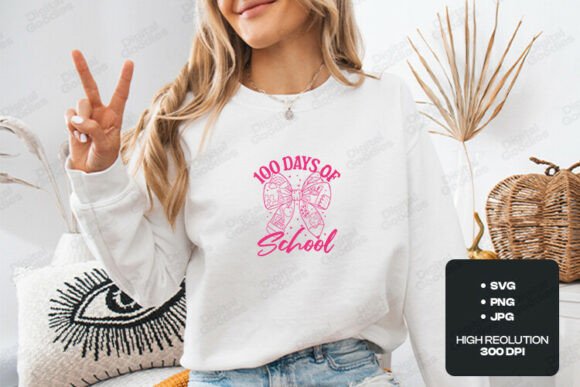
The Portable Network Graphics (PNG) format is widely favored for its ability to support transparent backgrounds. A PNG – High Resolution, 300 DPI Transparent Background version of the bow design allows users to overlay the image onto any other background without a distracting white box. This is particularly useful for:
- Digital classroom presentations.
- Creating custom certificates or badges.
- Overlaying designs on student photos for social media sharing.
The 300 DPI (dots per inch) resolution ensures that the image remains crisp and clear even when printed at larger sizes, preventing pixelation that can detract from the professional quality of the final product.
SVG: Scalable Vector Excellence
Scalable Vector Graphics (SVG) files are defined by mathematical equations rather than pixels. This means they can be resized to any dimension—from a tiny favicon to a massive billboard—without losing quality. An SVG – Fully Scalable Vector File is essential for users of cutting machines like Cricut or Silhouette.
When using an SVG for physical crafting, the machine reads the vector paths to cut materials such as vinyl, cardstock, or fabric with precision. This format is also ideal for web development, where fast loading times and responsiveness across different screen sizes are paramount.
JPG: Universal Compatibility
The Joint Photographic Experts Group (JPG) format offers universal compatibility across all devices and operating systems. While it does not support transparency, a JPG – High Resolution, 300 DPI file is excellent for direct printing on items where a solid background is acceptable or desired. This format is commonly used for:
- Standard photo prints.
- Quick drafts and mockups.
- Email attachments where file size constraints exist.
Practical Applications Across Industries
The versatility of the 100 Days of School Bow Design extends far beyond the traditional classroom setting. Its appeal spans multiple sectors, including apparel manufacturing, corporate gifting, and home decor.
Apparel and Fashion
Teachers and school staff often seek unique ways to express their pride in their profession. Customizing Teacher T-shirts hoodies with the bow design creates a sense of community and shared experience. The design’s vibrant colors and playful symbols make it suitable for casual wear, while more subdued color variations can work for professional attire. Additionally, the design translates well to tote bags and mugs, which serve as functional souvenirs of the school year.
Classroom Decor and Environment
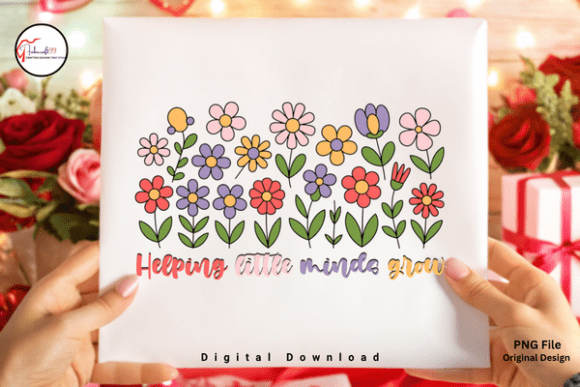
Creating an engaging learning environment is a priority for educators. The bow design can be used to decorate bulletin boards, door frames, and classroom banners. By incorporating the educational symbols mentioned earlier, teachers can turn decorations into conversation starters about reading, science, and geography. This approach transforms passive decoration into active engagement.
Crafting and DIY Projects
For hobbyists and makers, the 100 Days of School Bow Design opens up a world of creative possibilities. Using tools like Cricut or Silhouette, users can create:
- Vinyl Decals: For decorating laptops, water bottles, or lockers.
- Card Stock Cutouts: For making interactive learning games or counting activities.
- Fabric Stencils: For painting designs onto t-shirts or aprons.
Print-on-Demand and E-commerce
Business owners in the print-on-demand space can leverage this design to tap into the seasonal market. Products such as Sublimation printing transfers allow for full-color, edge-to-edge designs on mugs, pillows, and athletic wear. The high-resolution nature of the source files ensures that the final products meet customer expectations for quality. Furthermore, the design serves as a perfect Teacher appreciation gift, offering a personalized touch that mass-produced items lack.
Implementation Strategies for Maximum Impact
To truly benefit from the 100 Days of School Bow Design, it is important to implement it strategically. Here are some observations on how to maximize its potential.
Color Psychology in Education
When adapting the design for different uses, consider the psychological impact of color. Bright primary colors attract attention and stimulate energy, making them ideal for younger grades. Softer pastels may be more appropriate for older students or for creating a calming classroom atmosphere. Experimenting with color palettes can help tailor the design to specific age groups and settings.
Integration with Curriculum
Educators can integrate the bow design into lesson plans. For example, during math lessons, students can count to 100 using the loops of the bow. In art class, students can recreate the design using mixed media. This approach reinforces the connection between the visual asset and the educational content, making the celebration more meaningful.
Social Media Engagement
For schools and teachers, sharing images of the bow design on social media can boost community engagement. Creating a hashtag campaign around the 100 Days of School Bow Design encourages parents and students to share their own creations. This user-generated content serves as powerful marketing for the school and fosters a sense of belonging.
Considerations for Creators and Buyers
While the design offers numerous advantages, there are practical considerations to keep in mind. Licensing terms should always be reviewed, especially for commercial use. Ensuring that the source files are from a reputable provider guarantees access to updates and support. Additionally, testing the design on a small sample before committing to large-scale production can save time and resources.
The 100 Days of School Bow Design is more than just a festive graphic; it is a multifaceted tool that bridges the gap between education, commerce, and creativity. By understanding its components, formats, and applications, users can harness its full potential to celebrate this important academic milestone. Whether you are a teacher looking to inspire your class, a crafter seeking a new project, or a business owner aiming to capture the seasonal market, this design provides a robust foundation for success.
Conclusion
As we continue to embrace digital tools and creative expression in education, resources like the 100 Days of School Bow Design play a vital role. They provide a shared language of celebration that connects students, teachers, and communities. By leveraging the high-quality formats available—PNG, SVG, and JPG—users can bring this design to life in ways that are both visually stunning and educationally relevant. Embrace the opportunity to make the 100th day of school a memorable and impactful event through thoughtful design and implementation.